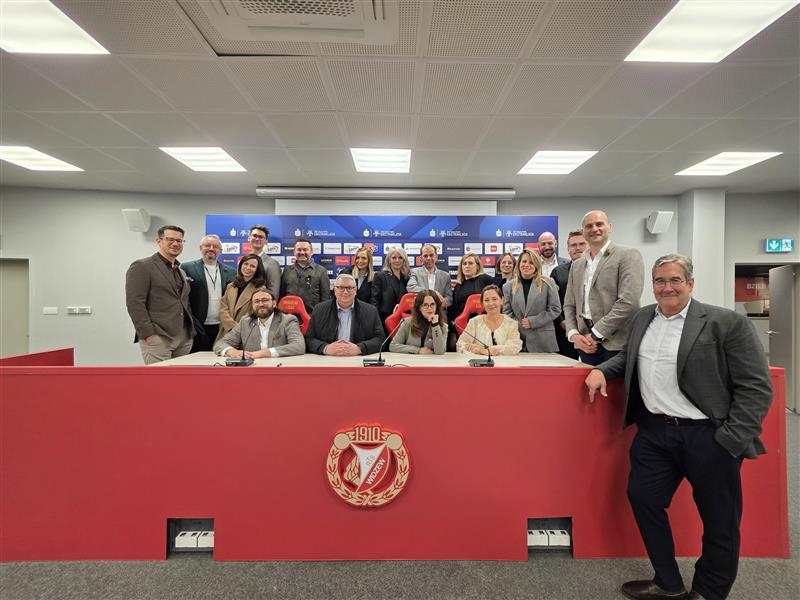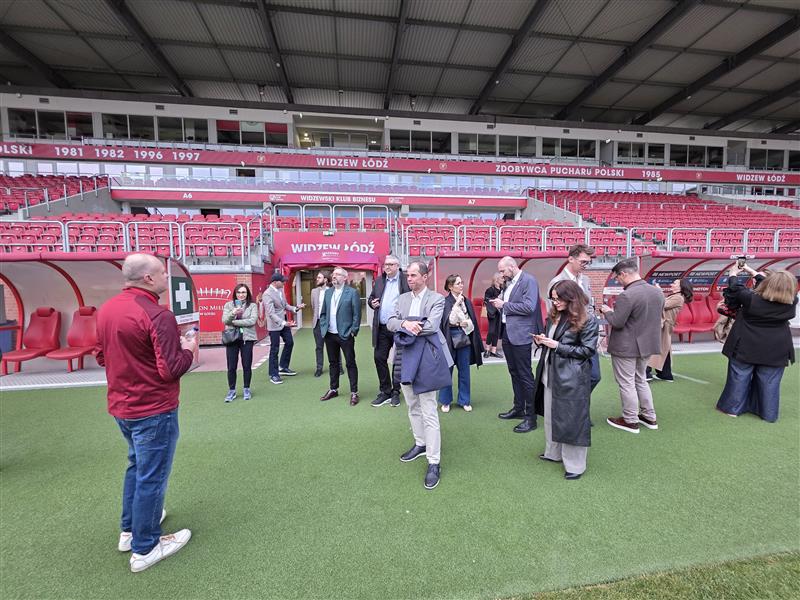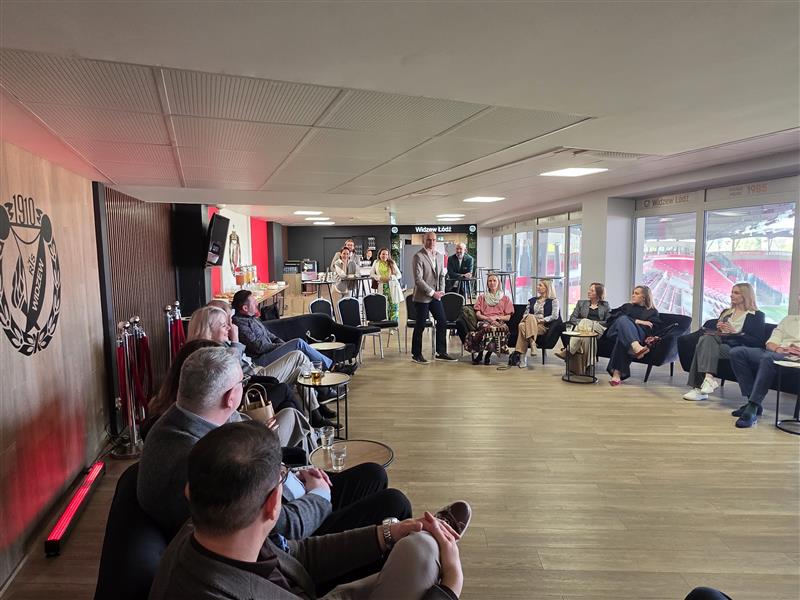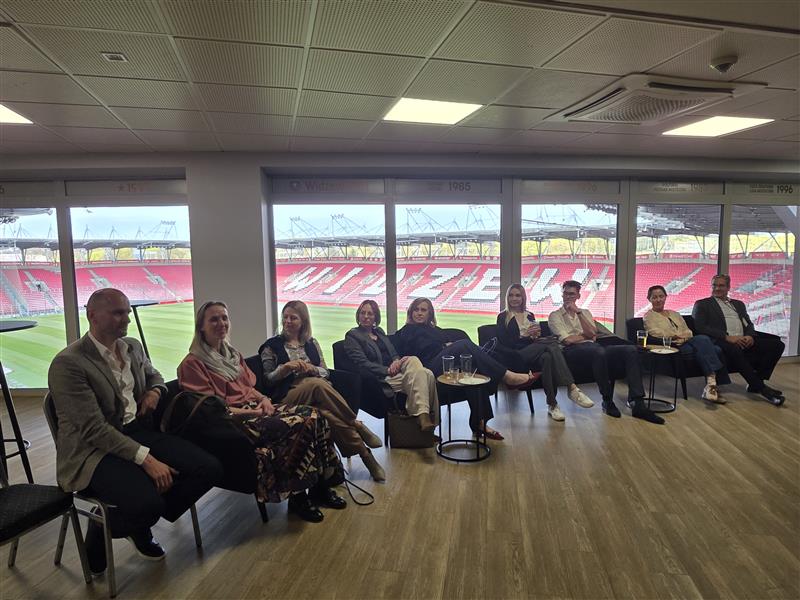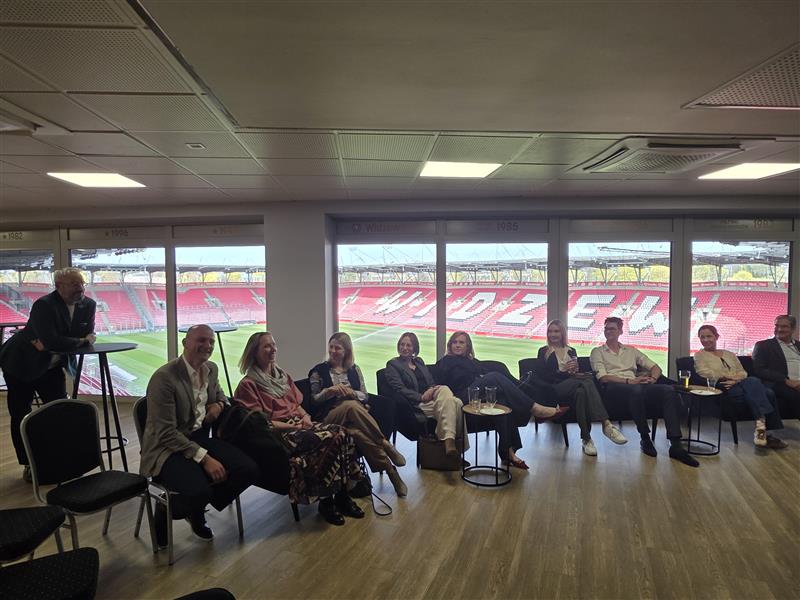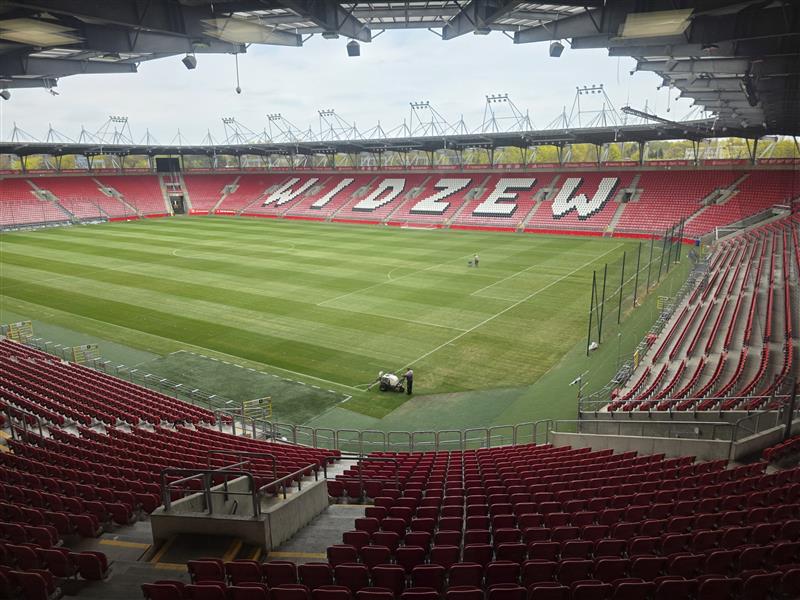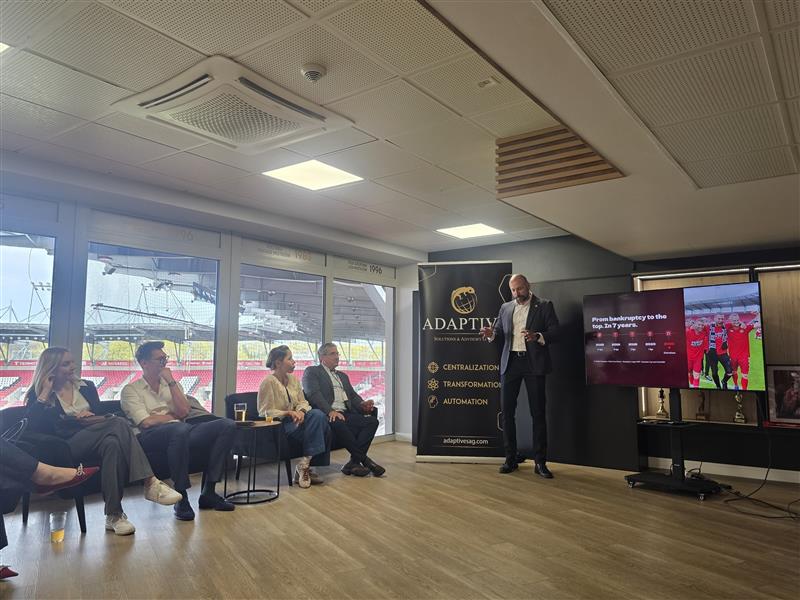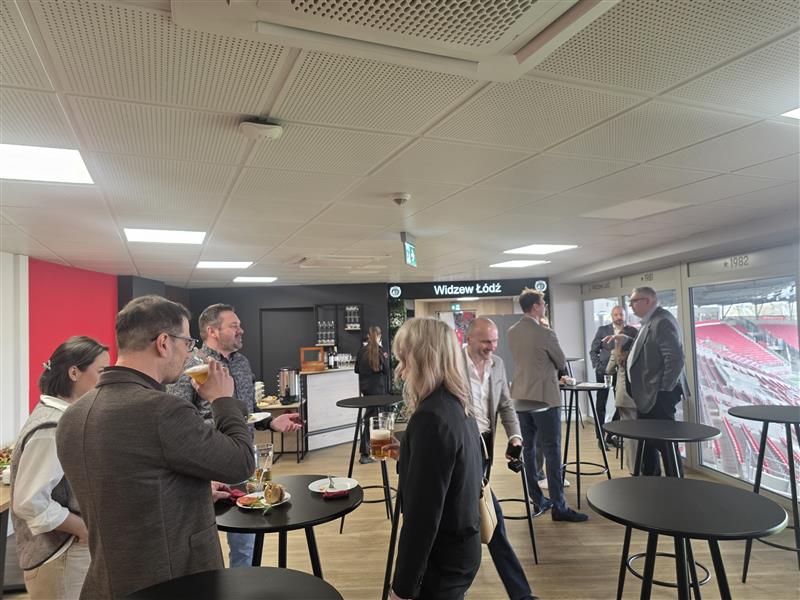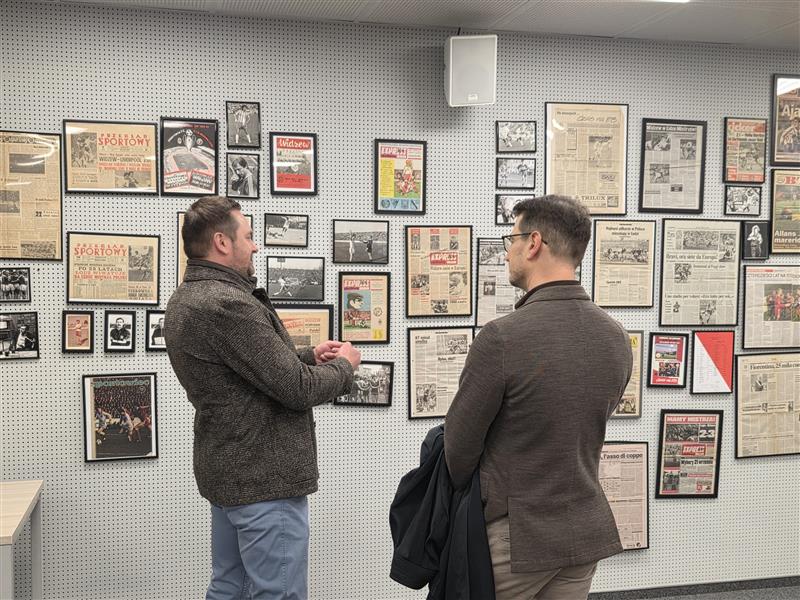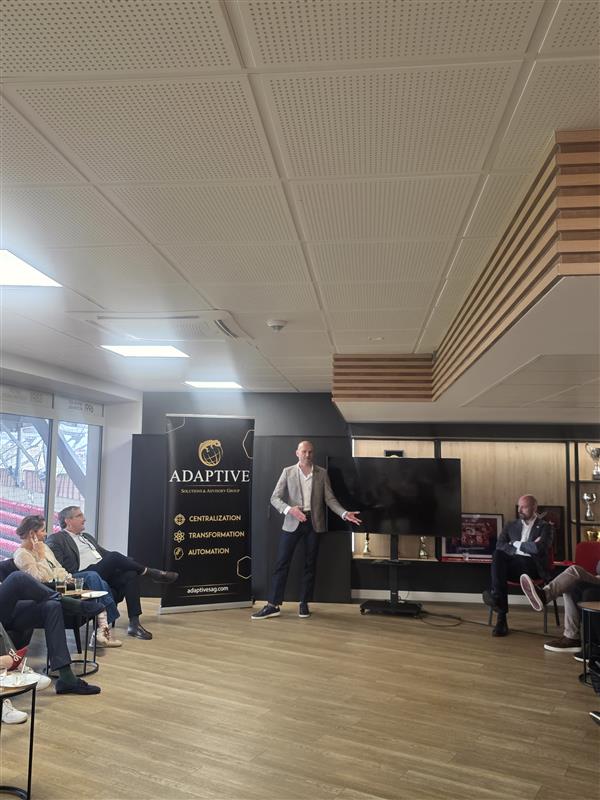

A week ago, we had the pleasure of hosting another edition of the GBS Masters series in Łódź. The event brought together a select group of senior GBS leaders for an open, experience-driven discussion on Business Acumen in GBS. Set in the unique atmosphere of the Widzew Łódź Stadium, the session combined sharp, high-level insights with an informal, engaging format that encouraged honest exchange and practical perspectives. The conversation touched on how GBS organizations can truly embed business understanding into their structures – from onboarding and capability building to breaking down “glass walls” between operations and the core business.
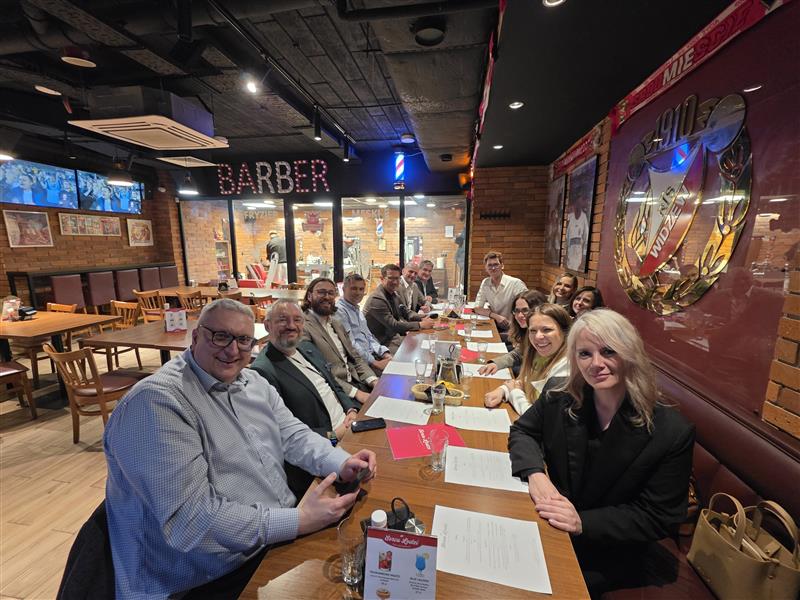
Beyond the discussion itself, the event delivered on experience. Participants had the opportunity to go behind the scenes of the stadium, followed by a relaxed evening of networking over dinner, wine, and great conversations that continued well beyond the formal agenda.
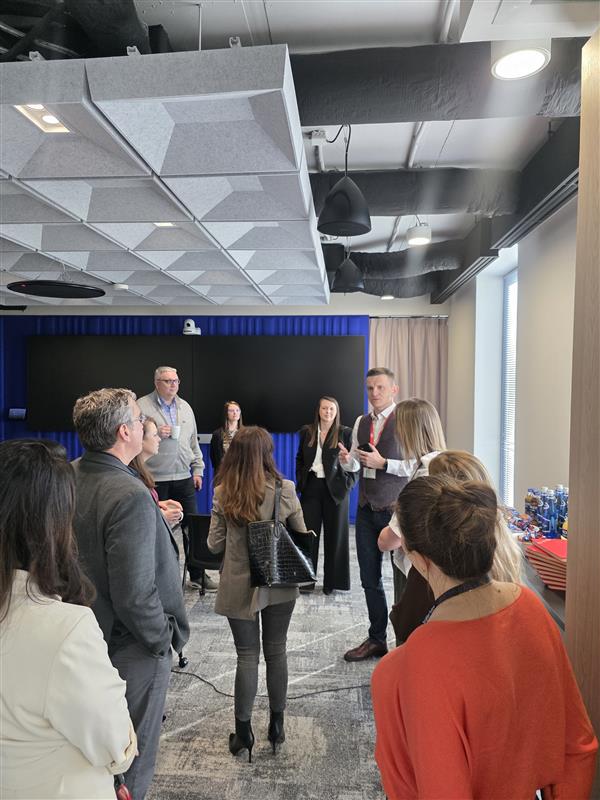
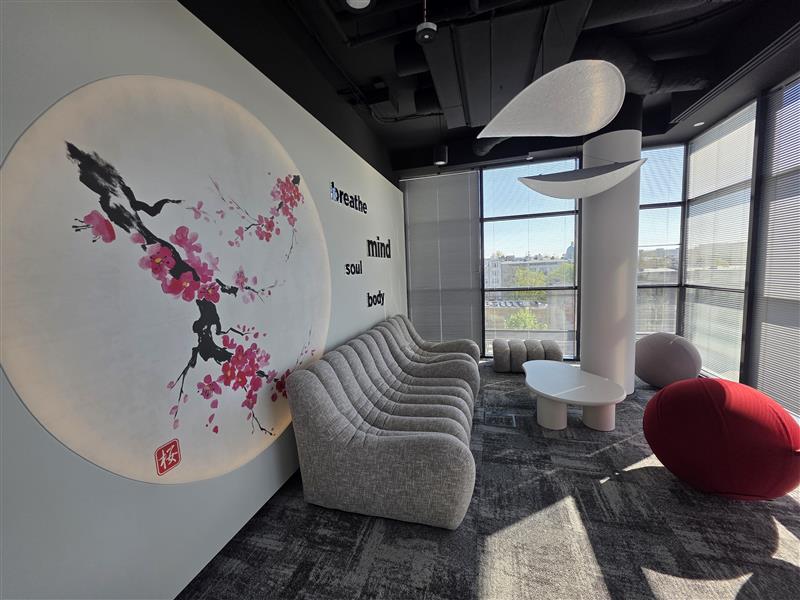
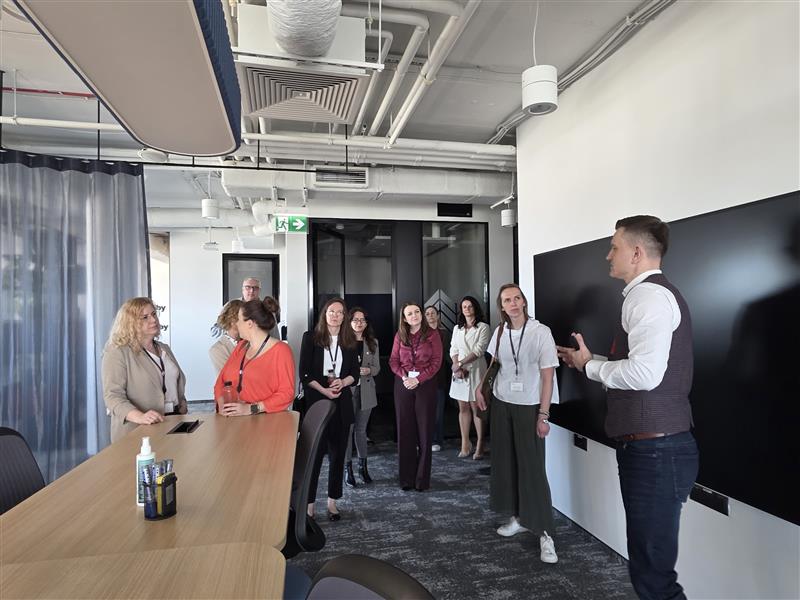
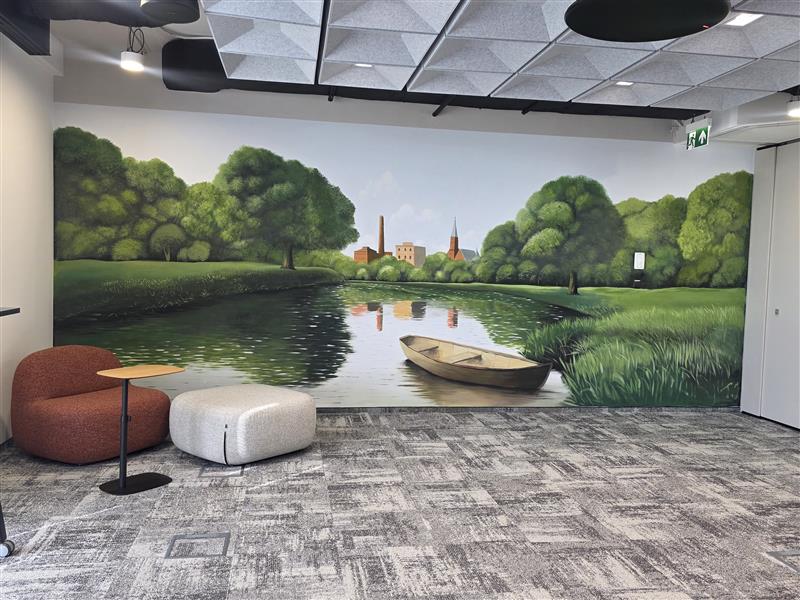
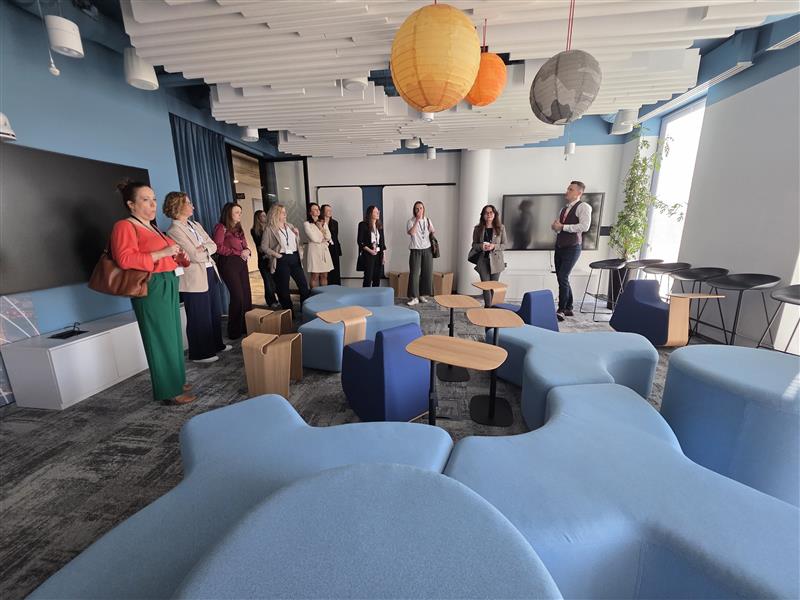
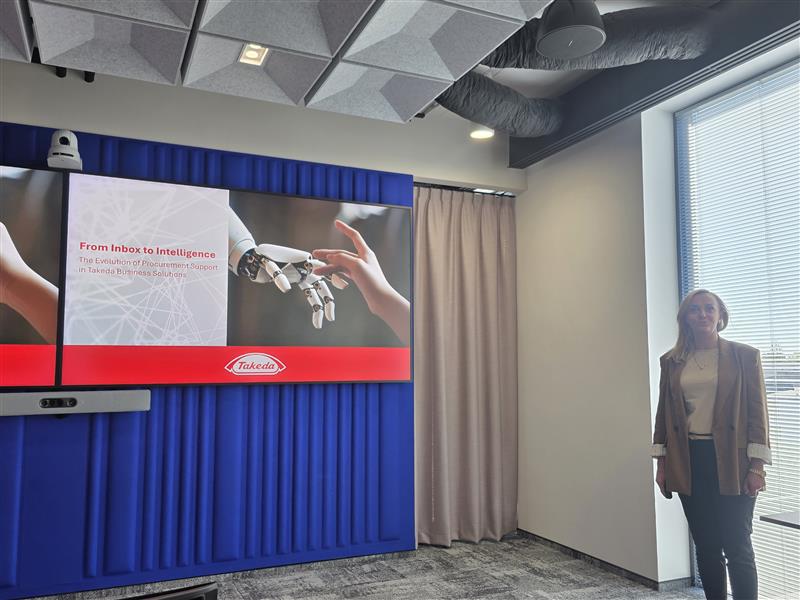
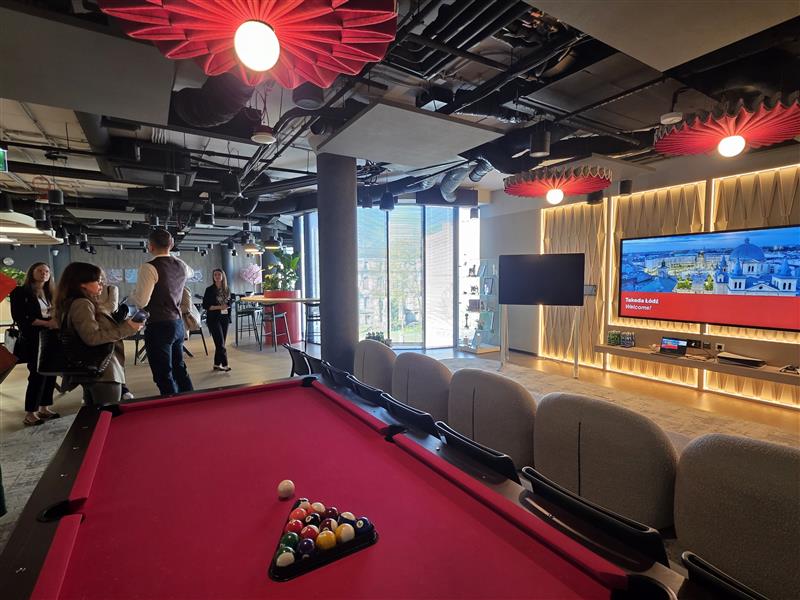
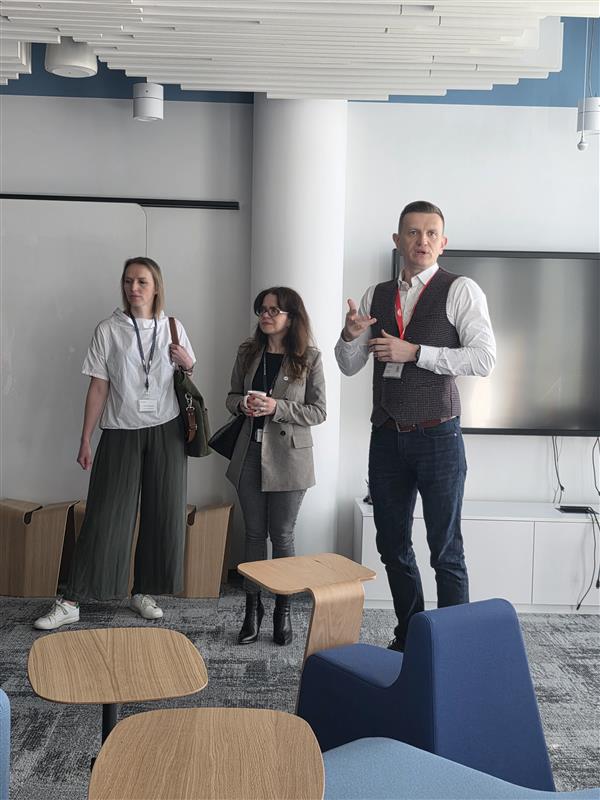
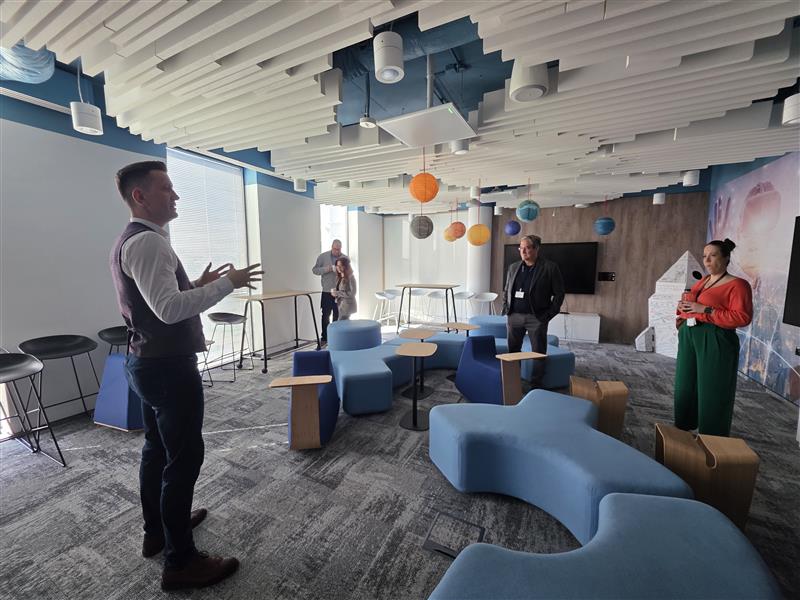
The following day, we continued at Takeda Business Solutions, where participants explored a modern GBS setup in practice. The office tour by Dariusz Adamus, TBS Global Hub Site Lead, and Monika Madejska, Business Support Lead was followed by an expert presentation “Evolution of Procurement Support” by Anna Kalinowska, Finance Solutions Transformation Lead. Then Takeda’s leadership team held an open discussion on valuable, real-world dimension to the themes raised the day before – especially around the evolution of procurement and the role of transformation in GBS.
What made this edition particularly strong was the balance: strategic discussion, practical insights, and genuine peer-to-peer exchange in a trusted environment. Here are key take-aways from the discussions:
Business acumen is multidimensional – it can be built through proximity to the business, structured induction, continuous awareness-building, and fostering loyalty. These elements are complementary, not exclusive.
Link to organizational goals – strong business acumen means contributing to enterprise-wide objectives, not just process excellence (e.g., cost efficiency through standardization).
Company scale defines governance – large organizations require layered governance; smaller ones benefit from more direct accountability and ownership within GBS.
Standardization remains foundational – harmonized processes are still the most effective route to optimization, transparency, and efficiency.
Local exceptions limit scalability – maintaining too many “special cases” reduces the effectiveness and reach of global standards.
Cross-functional understanding is critical – mutual awareness between business units (e.g., production and finance) drives smoother operations and shared accountability.
Change is challenging but necessary – implementing standards is often difficult but delivers long-term value once embedded.
BPO partnerships require co-ownership – successful collaboration depends on joint investments and early alignment; few companies currently train providers on business nuances.
GBS ≠ Manufacturing – the GBS model operates in a different competitive environment, but still must align with company-wide values and governance.
Internal competition and location bias – “we vs. them” mentalities and brand fragmentation can undermine collaboration and business impact.
Leadership connection matters – regular, genuine engagement of senior leaders with site teams can significantly reduce attrition and strengthen belonging.
Onboarding drives loyalty – post-pandemic, onboarding plays an even more crucial role in building engagement, culture understanding, and retention.
Values and purpose shape engagement – alignment between personal ethics and company mission influences motivation and depth of business understanding.
Thank you to all participants and partners for making this event impactful. We’re already looking forward to the next GBS Masters session.